Outer CV Joint
Kingtime Outer CV Joint
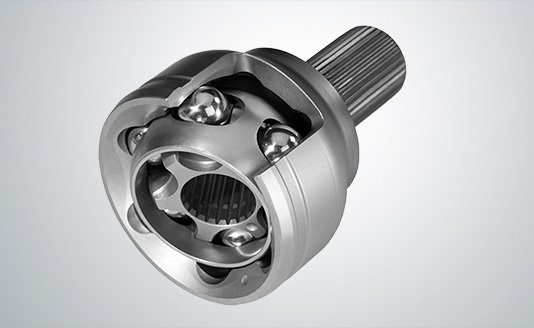
Understanding Constant-Velocity Joints (CV Joints)
Definition and Function in Automotive Systems
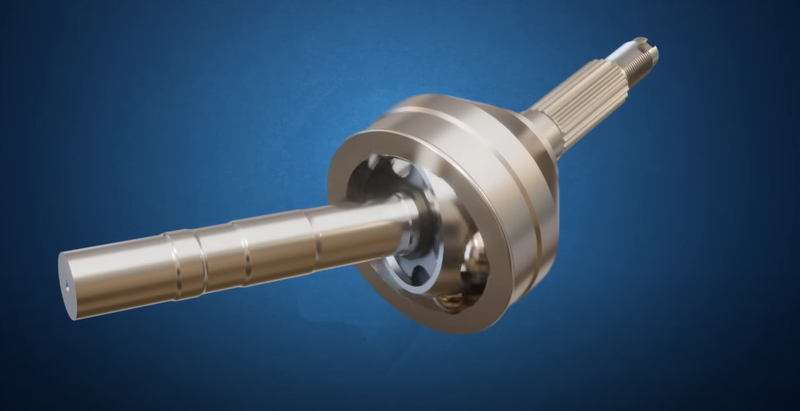
A constant-velocity (CV) joint is a mechanical coupling that allows power to be transmitted through variable angles at a constant rotational speed without an appreciable increase in friction or play. Found mostly in front-wheel-drive and all-wheel-drive vehicles, CV joints are the unsung heroes enabling smooth, reliable torque transfer to the wheels—even when you’re cornering hard or navigating bumpy terrain. In short, if your vehicle’s turning and accelerating without shaking itself apart, you’ve got CV joints to thank.
Types of CV Joints: Rzeppa, Tripod, and Double Offset
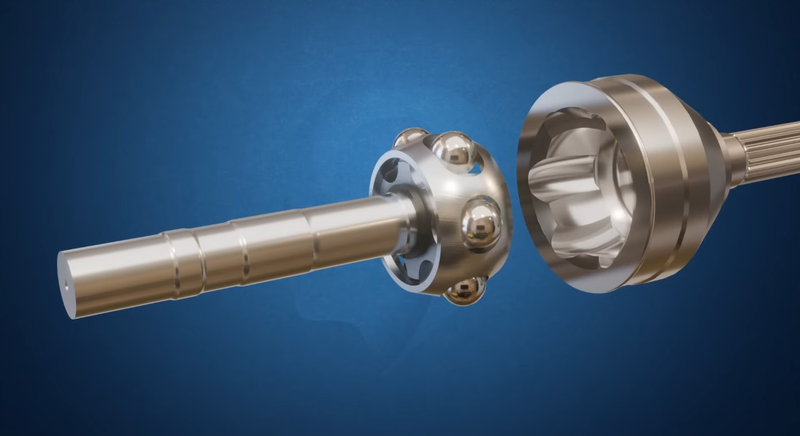
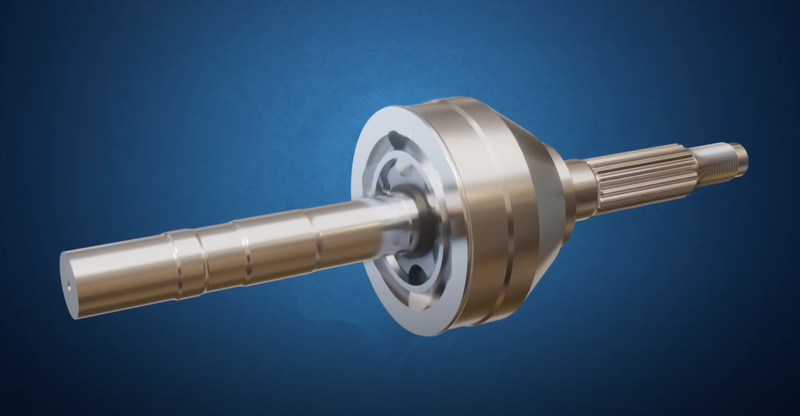
There’s no one-size-fits-all in the CV joint world. The Rzeppa joint, with its six-ball bearing design, is known for excellent angular range and is typically used on the wheel side. The Tripod joint, which uses three trunnion bearings, thrives on the transmission side, soaking up axial movement like a sponge. Then there’s the Double Offset joint—ideal for rear-wheel-drive setups—which balances high torque transmission with impressive articulation. Each type brings its own strengths to the drivetrain table, depending on the application’s torque demands and space constraints.
Key Industries and Applications
While CV joints are best known in the automotive industry, they’re also a staple in agriculture, robotics, aerospace, and heavy machinery. Wherever there’s a need to transmit rotary motion at a constant velocity through a variable angle, CV joints are on duty. Whether it’s the latest electric SUV or a self-guided farm vehicle, these components are critical to performance and longevity.
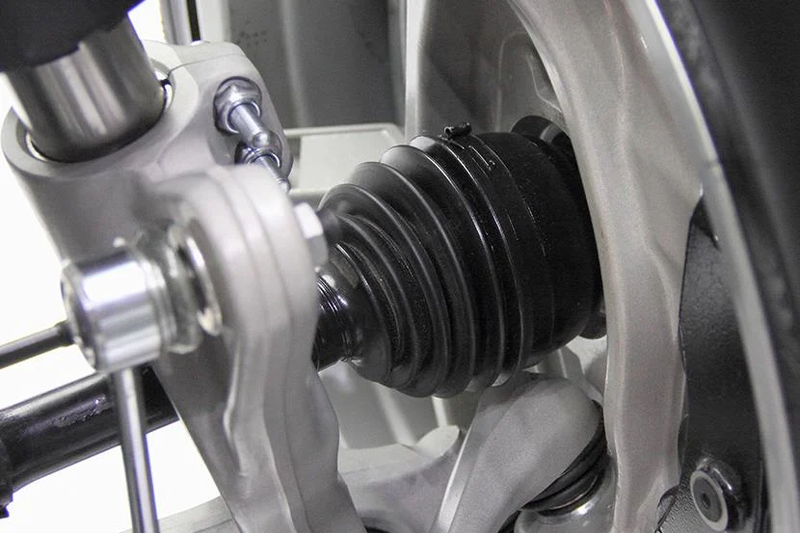
Outer CV Joint (Wheel Side)
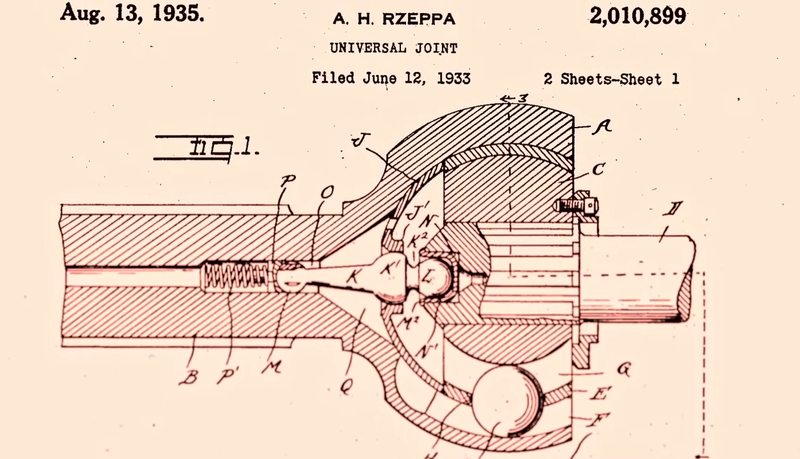
Respect to A. H. RZEPPA dated on Aug. 13, 1935